" height="22.21672870003851px" id="z3WvM4hhx" transform="translate(0 7.783)" width="44.5160044463523px"/><path d="M 0 0 L 2.973 0 L 2.973 29.237 L 0 29.237 Z" fill="rgb(51, 51, 65)" height="29.23683002950565px" id="JHCCz3Moo" transform="translate(52.332 0)" width="2.9732091795568465px"/><path d="M 0 0 L 18.335 0 L 18.335 2.973 L 0 2.973 Z" fill="rgb(88, 93, 247)" height="2.9732091795568505px" id="TtL1Ujsfx" transform="translate(26.217 3.072)" width="18.334926489198978px"/><path d="M 0 1.817 C 0 0.813 0.813 0 1.817 0 C 2.82 0 3.634 0.813 3.634 1.817 C 3.634 2.82 2.82 3.634 1.817 3.634 C 0.813 3.634 0 2.82 0 1.817 Z" fill="rgb(88, 93, 247)" height="3.633967846768943px" id="E_sZ1ZJZP" transform="translate(57.862 26.217)" width="3.6339678467688827px"/></g></svg>)
7 Best AI-Driven Size Curve Allocation Platforms for Fashion Brands
Nūl, Impact Analytics, Toolio, Tightly, Dataviva, o9 Solutions, and NuORDER by Lightspeed are 7 AI-driven size curve allocation platforms for fashion brands.
Nūl Content Team
An Experienced Research & Knowledge Team
The Nūl Content Team combines expertise in technology, fashion, and supply chain management to deliver clear, practical insights. Guided by Nūl’s mission to end overproduction, we create content that helps brands forecast demand more accurately, optimize inventory, and build sustainable operations. Every piece we publish is grounded in real-world experience, ensuring it’s both credible and actionable.
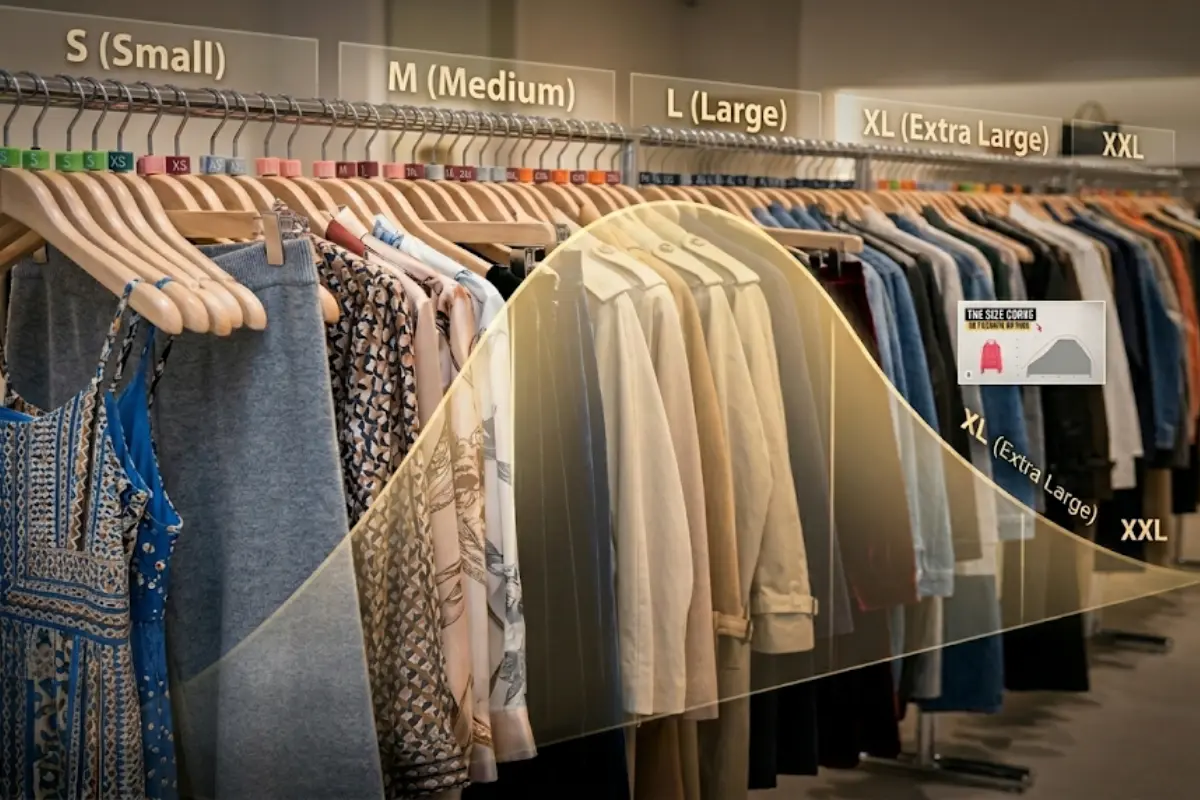
Table of contents
Stop losing 5–10% of your margin because of inaccurate size curve distribution. Even when a product is popular, you still face lost revenue if key sizes run out too early and excess inventory if other sizes stay unsold and later need markdown strategies.
Actually, spreadsheets, fixed size ratios, or other traditional methods rely on historical sales to show what you sold, but ignore the demand you missed due to stockouts. Instead, you need an AI-native solution that uses real-time demand-sensing intelligence to align your size curves with true customer behavior.
In this blog, we will introduce AI-driven size curve allocation platforms to plan and adjust size mixes based on real demand, along with what they do, how they work in fashion, and which solution fits you best.
What is a Size Curve Allocation Platform in Fashion?
A size curve allocation platform is a dedicated software tool that helps fashion brands and retailers decide how many units of each size (S, M, L, etc.) to buy and distribute to each store, region, or sales channel.
Transforming from manual, spreadsheet-driven processes to using data and machine learning, the AI-driven distribution platforms build more accurate size curves and improve how inventory is allocated. As a result, high-demand sizes are always stocked in the right location, meeting real customer demands.
How Does an AI-Driven Size Curve Allocation Platform Works?
Collect and prepare data: The platform collects data from multiple sources, such as:
sales by size
inventory levels and stockouts
returns and exchanges
product details like fit, category, and price
store, region, and channel performance
The platform then cleans and organizes this data so the size curves are built on a stronger base.
Estimate real demand: AI-driven platforms estimate the demand= that was missed when popular sizes were out of stock. So, fashion teams have a clearer view of what customers actually want to buy.
Build size curves by product and location: The system creates size curves at a more detailed level, such as by store, region, channel, or product group. Brands can avoid sending the same size mix everywhere and instead match inventory to local demand.
Support initial buying decisions: Before placing purchase orders, teams use demand patterns and attribute data from the platform to plan the ideal size mix for each style, making initial orders more accurate.
Improve store allocation: Once inventory is ready, the platform recommends specific unit counts per size for each store based on local selling patterns.
Guide replenishment during the season: As new sales data comes in, the platform updates its recommendations and helps teams restock the right sizes. This is useful when some sizes start selling faster than expected and need to be replenished before stockouts happen.
Support markdown planning: When slow sizes start building up, the platform can identify where the imbalance is happening, so teams can adjust transfers, reduce future buys, or plan markdowns more carefully.
Handle new products and changing demand: For new items with no sales history, the platform uses product attributes and similar products to predict likely size demand. It also keeps learning as demand changes, which helps teams respond faster during the season.
7 AI-Driven Size Curve Allocation Platforms for Fashion
Platform | Key features | Best for |
Nūl | AI copilot, dynamic size curve analysis, predictive replenishment, automated batch planning, fit and return intelligence | Fashion brands that want size curve planning connected with allocation, inventory, and production |
Impact Analytics (SizeSmart) | AI-generated size curves, adaptive planning, store/region/style-color profiling, vendor pack optimization | Retailers that want a specialized tool for future buys and size optimization |
Toolio | Ensemble forecasting, continuous retrending, anomaly detection, unified planning environment, free size curve template | Modern retail teams moving from spreadsheets to a more structured planning workflow |
Tightly | Cluster-free allocation, attribute DNA for new products, dynamic curve detection, pack optimization, liquidation logic | High-velocity fashion brands that need very granular store-level allocation |
Dataviva | True demand estimation, automated curve generation, attribute-based modeling, dynamic clustering | Retailers with messy data that want backend automation for size curve generation |
o9 Solutions | Attribute-driven sizing, demand-based clustering, integrated pack solver, constraint-aware allocation | Large enterprises that want size curves tied to broader planning and supply chain decisions |
Nextail | Dynamic demand forecasting, store-SKU-size analysis, intelligent store transfers, scarcity-based allocation | Fashion retailers that need AI-driven allocation and replenishment at store and size level |
Nūl
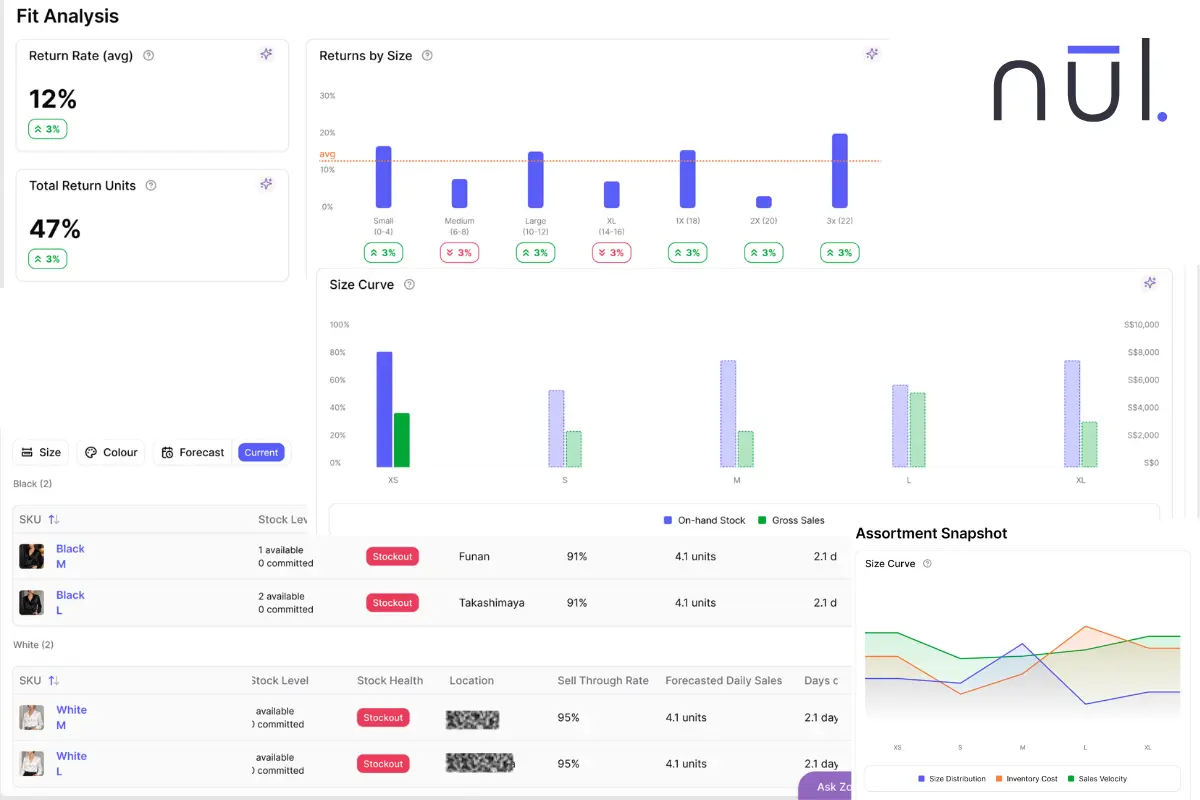
Nūl is an AI-native solution that turns complex sizing data (e.g., size-level sales, stock position, returns, forecast signals) into actionable retail strategies through an AI copilot layer. By integrating real-time demand sensing with production workflows, Nūl ensures that fashion brands move from static historical data to true demand-led distribution.
Core features:
Dynamic Size Curve Analysis: Automatically identify broken curves by comparing current stock levels against actual units sold to highlight missed demand.
True Size Set Optimization: Predict exact size splits within each SKU to reduce common mismatches and prevent stockouts of popular sizes.
Predictive Replenishment: Use real-time demand sensing to generate "Forecasted Daily Sales" and recommend instant restock batches before sizes run out.
Automated Batch Planning: Replaces manual spreadsheets with AI-driven production requests, calculating exact quantities needed by style, color, and size.
Integrated Materials Management: Links production orders directly to raw material inventory (fabrics and trims) to estimate usage and eliminate overproduction waste.
Fit & Return Intelligence: Analyzes returns by size to identify patterns (e.g., specific sizes exceeding average return rates) and refine future size runs.
Conversational Copilot (Zoey): Allows users to ask natural-language questions like "Which sizes are driving our highest return rates?" to receive instant data visualizations and recommended next steps without exporting all reports.
Limitations:
Data Dependency: AI accuracy depends on quality historical data. So, brands with poor records can face a longer onboarding period.
Broad Scope: Nūl can feel a bit complex for small brands with only size curve needs because it also includes planning, allocation, inventory, and production.
Price: Custom Quote
Nūl is an AI-native solution that turns complex sizing data to retail strategies.
SizeSmart (Impact Analytics)
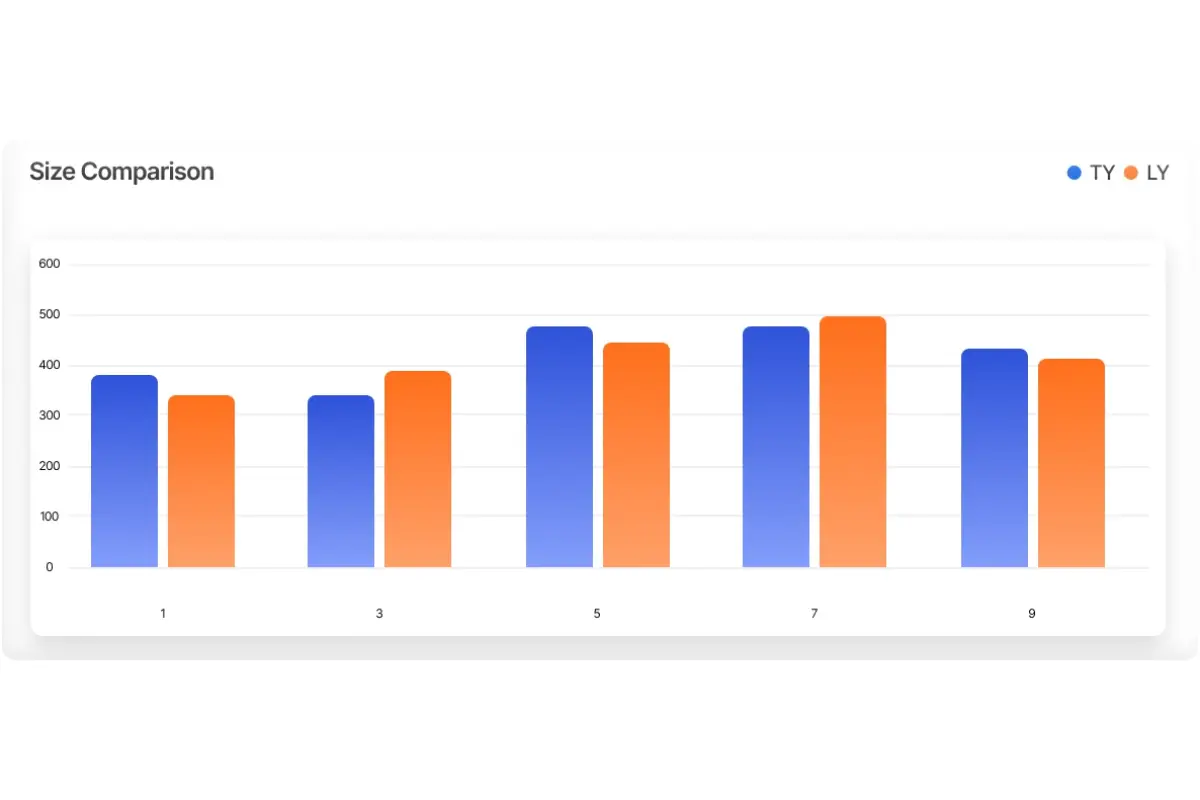
SizeSmart by Impact Analytics is one of the more specialized tools in size curve optimization rather than general merchandise planning. The product is positioned to help retailers right-size inventory by optimizing future buys, with size profiles created at the store, region, and style-color level.
SizeSmart is trusted by major global brands like Victoria’s Secret, Signet Jewelers, and PacSun.
Core features:
AI-Generated Size Curves: Automatically build size curves using internal and external data for teams to plan future buys based on real demand instead of past sales alone.
Adaptive Planning: Track evolving analytics to adjust size curves as customer trends and performance shift over time.
Granular Distribution: Build accurate size profiles at the specific store, region, and style-color level to prevent one-size-fits-all inventory errors.
Optimized Buy Execution: Provide insights into vendor pack strategies and custom configurations to reduce terminal inventory and supply chain inefficiencies.
Integration into Planning Workflows: Either use as a separate reporting layer or embed size intelligence directly into merchandising and allocation processes.
Limitation:
High manual workload: The platform may require planning teams to handle a lot of daily data cleanup and manual updates to keep the outputs accurate.
Steeper learning curve for new users: If documentation is limited or not well structured, new users may need more time to understand how the sizing logic and metrics work.
Price: Custom Quote
SizeSmart by Impact Analytics is one of the more specialized tools in size curve optimization. (Source: Impact Analytics)
Toolio
Toolio is a cloud-native merchandise planning platform that integrates financial planning, assortment management, and size curve optimization into a single environment. It is designed for modern retail teams that need to replace manual spreadsheets with a faster, automated workflow to reduce stockouts and overstocks.
Toolio differentiates itself by offering practical entry points for planners who are still transitioning away from manual methods with a free size curve template.
Core features:
Ensemble Forecasting: Use multiple AI models that compete for accuracy so that the most reliable size curves are generated for each SKU.
Continuous Retrending: Automatically recalculate demand and size distributions in real-time as new sales data comes in.
Automated Anomaly Detection: Identify and clean bad data (like unusual one-time spikes) to ensure size curves are based on true repeatable demand.
Unified Environment: Synchronize your high-level financial plans with granular SKU-level size curves, your buys never exceed your OTB (Open-to-Buy) budgets.
Free Size Curve Template: Provides a downloadable Excel/Google Sheets template for teams manually calculate size curves by comparing historical sales against inventory availability.
Limitations:
Initial Setup Complexity: For brands with massive, disorganized SKU libraries, the initial data integration can be time-consuming.
Limited "Batch-to-Factory" Automation: Toolio offers fewer native features for managing raw material flows or factory-side production requests.
Price: Custom Quote
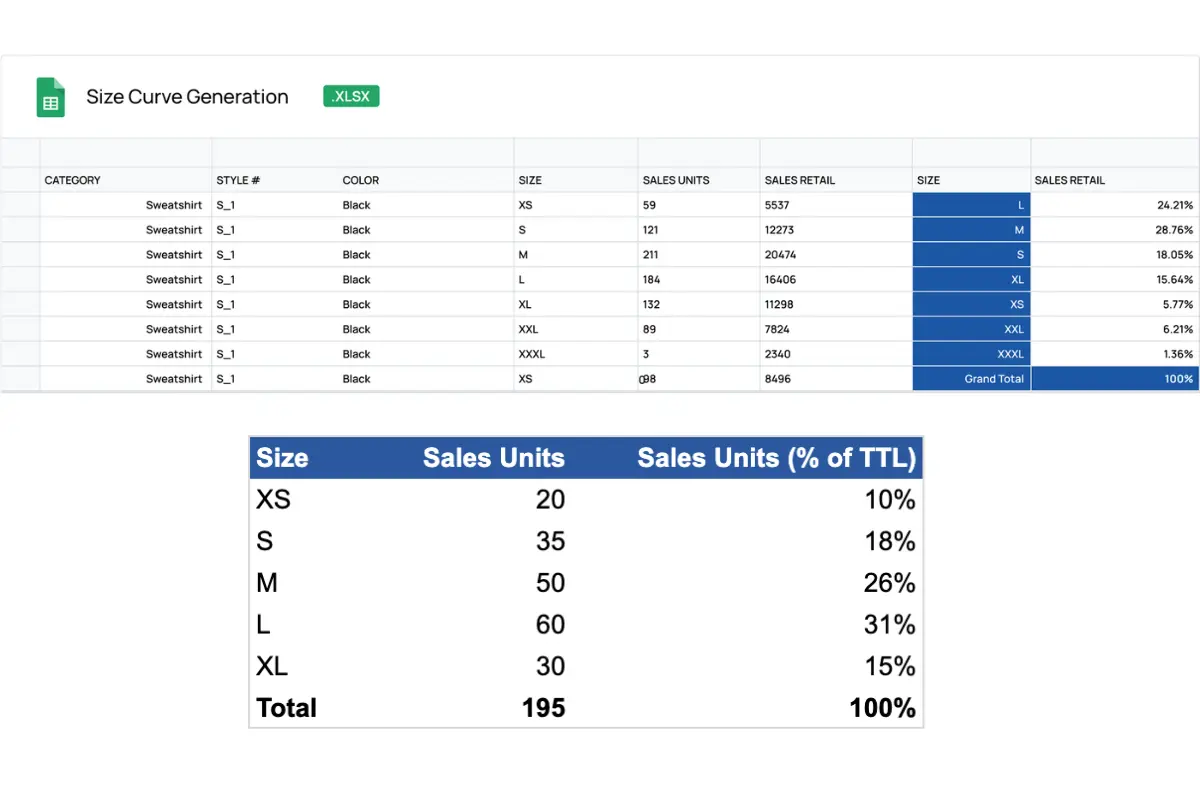
Toolio is a cloud-native merchandise planning platform. (Source: Toolio)
Tightly
Tightly is a modern inventory allocation and demand planning platform designed for high-velocity fashion, sporting goods, and beauty brands. It differentiates itself by moving away from generic store clusters and instead generating unique, data-backed forecasts for every single door in a retail network.
Core features:
Cluster-Free Custom Allocation: Calculate a unique size curve for every individual location based on local demographics and velocity without grouping stores into A/B/C categories.
Attribute DNA: Analyze the DNA (fabric, fit, price) of past best-sellers to predict size demand for new arrivals without needing historical data for that specific SKU.
Dynamic Curve Detection: Sense changes in demand such as a sudden trend toward oversized fits, and adjust the ratio of XLs to Ss automatically for the next replenishment push.
Pack Optimization: Automatically round allocation quantities to match vendor pre-packs (e.g., 2-2-1-1 size runs) to ensure warehouse and supply chain efficiency.
Market Radar Integration: Scans global competitor data to detect when a rival stocks out of a core size, alerting your team to boost ad spend and capture that disappointed traffic.
Liquidation Logic: Identify slow-moving sizes early and suggest small, targeted markdowns to improve sell-through before larger discounts are needed.
Limitations:
High Initial Setup Complexity: Location-specific curves require a large initial data entry effort.
Inventory Holding Requirements: Since the platform recommends detailed, store-level allocation, brands with limited central inventory can find it harder to meet these suggestions consistently.
Price: Custom Quote
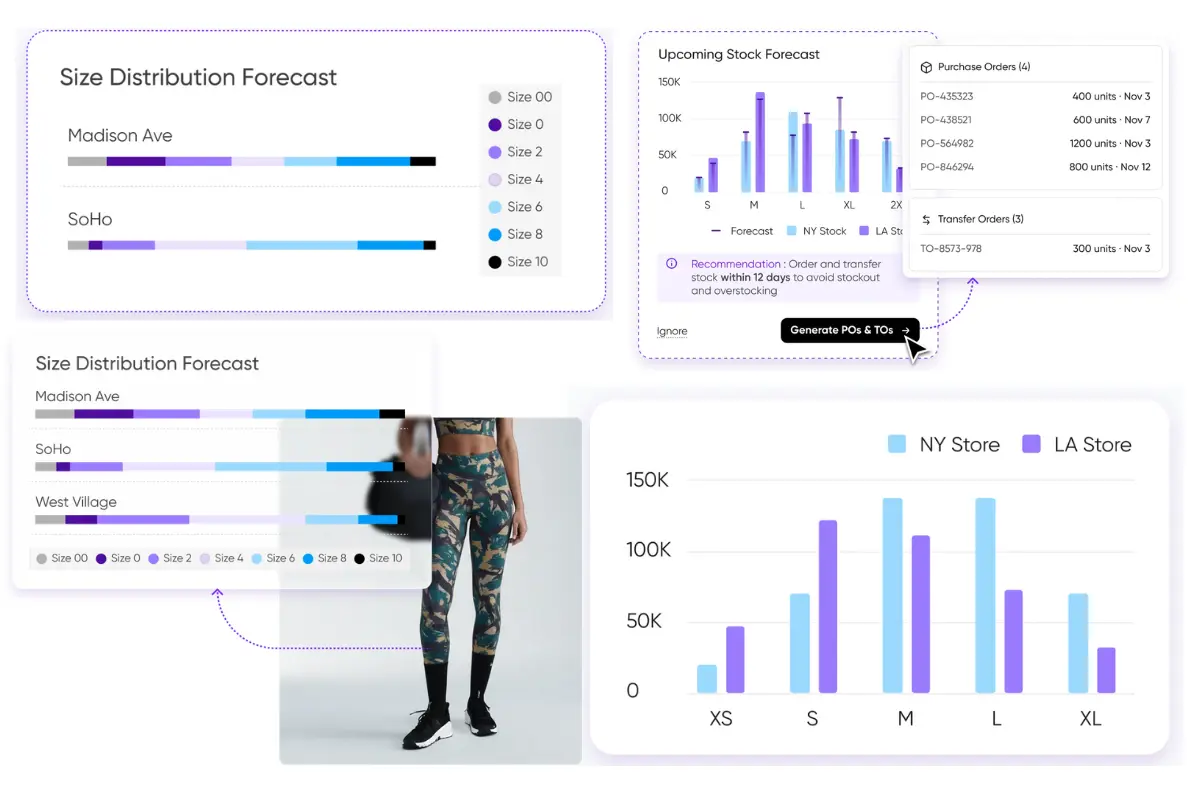
Tightly is a modern inventory allocation and demand planning platform. (Source: Tightly)
Dataviva
Dataviva is a retail planning and optimization platform that takes a more engineering-focused approach to size curve allocation. It uses AI to automate the full size-curve process with size curves as live inputs to operational systems, which is especially useful when data is messy, incomplete, or inconsistent.
To improve accuracy, Dataviva applies data cleansing, statistical modeling, and AI validation before generating size curves. It can also create size profiles for new or low-sales products, which is useful for brands with frequent product launches.
Core features:
True Demand Estimation: Look at what was sold and estimate lost sales to reveal the demand missed when popular sizes were out of stock.
Automated Curve Generation: Automatically builds and updates size curves at the store, region, channel, or product-group level, reducing hundreds of hours of manual spreadsheet work.
Attribute-Based Modeling: For new products without history, Dataviva uses similar-item attributes (like fit, fabric, and category) to predict the size distribution.
Dynamic Clustering: Groups stores based on actual size-selling patterns rather than simple geography, ensuring that a location receives the correct mix regardless of its tier.
Limitations:
Depends on Reliable Data Flow: Even though Dataviva can clean messy data, it still needs consistent and real-time data from systems like ERP to deliver accurate results.
Requires Setup and Team Readiness: Using advanced AI optimization often requires upfront investment and training so teams can understand and work effectively with the system.
Price: Custom Quote
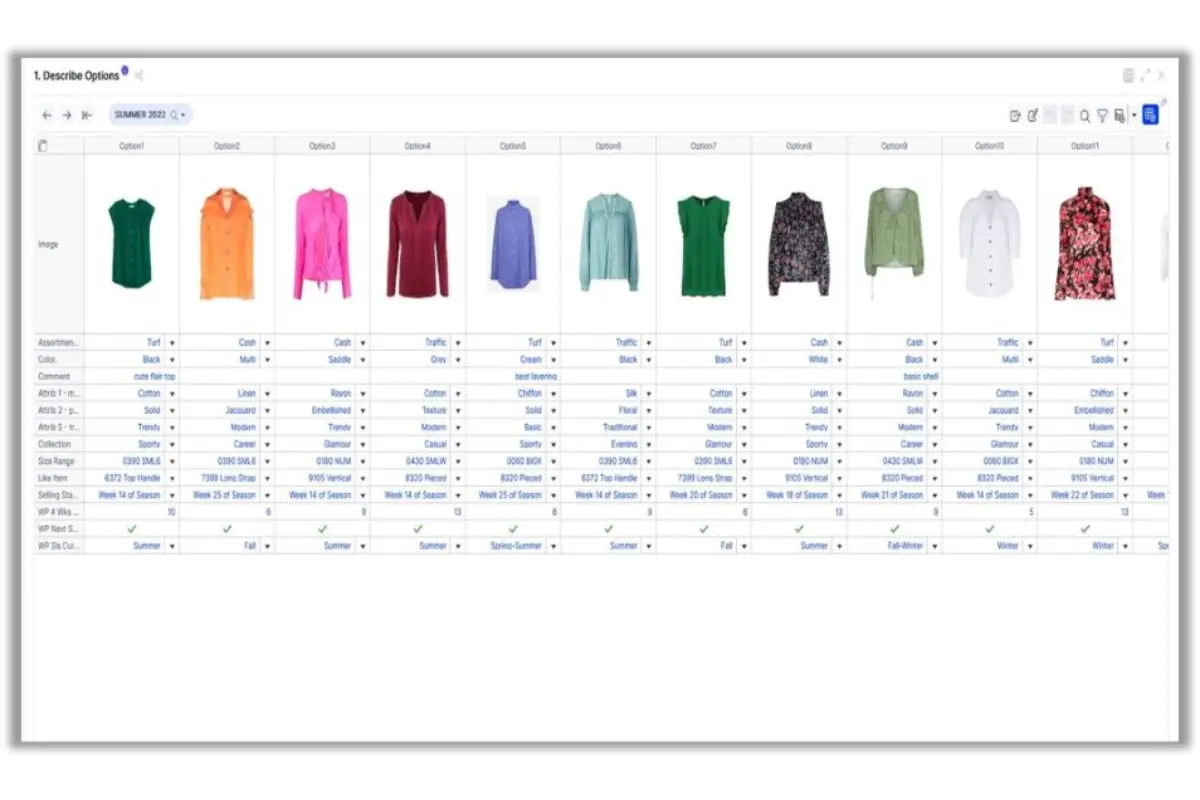
Dataviva is a retail planning and optimization platform. (Source: Dataviva)
o9 Solutions
o9 Solutions is a global enterprise AI platform that treats size curve analysis as a core component of its Integrated Business Planning (IBP) framework. Unlike standalone sizing tools, o9 views size curves as a living data layer that must synchronize across finance, supply chain, and merchandising.
Core features:
Attribute-Driven Sizing: Use a high-performance data model that analyzes product DNA (fabric, fit, silhouette) to translate localized demand into actionable size directives.
Demand-Based Clustering: Apply machine learning to group stores by actual demand behavior and customer demographics, creating highly localized size curves.
Integrated Pack Solver: Convert theoretical size curves into optimized pack configurations (e.g., 2-4-4-2) by balancing demand against vendor constraints and distribution center (DC) efficiency.
Constraint-Aware Allocation: Every recommendation is automatically checked against real-world limits like labor capacity at the DC, transportation lead times, and physical storage availability in stores.
Limitations:
User Interface Complexity: Some users find the experience less smooth when workflows rely on Excel add-ins or separate templates instead of one fully unified interface.
Performance Speed: When teams work with complex templates or very large datasets, some processes can take longer to load or need to be split into multiple sheets.
Price: Custom Quote
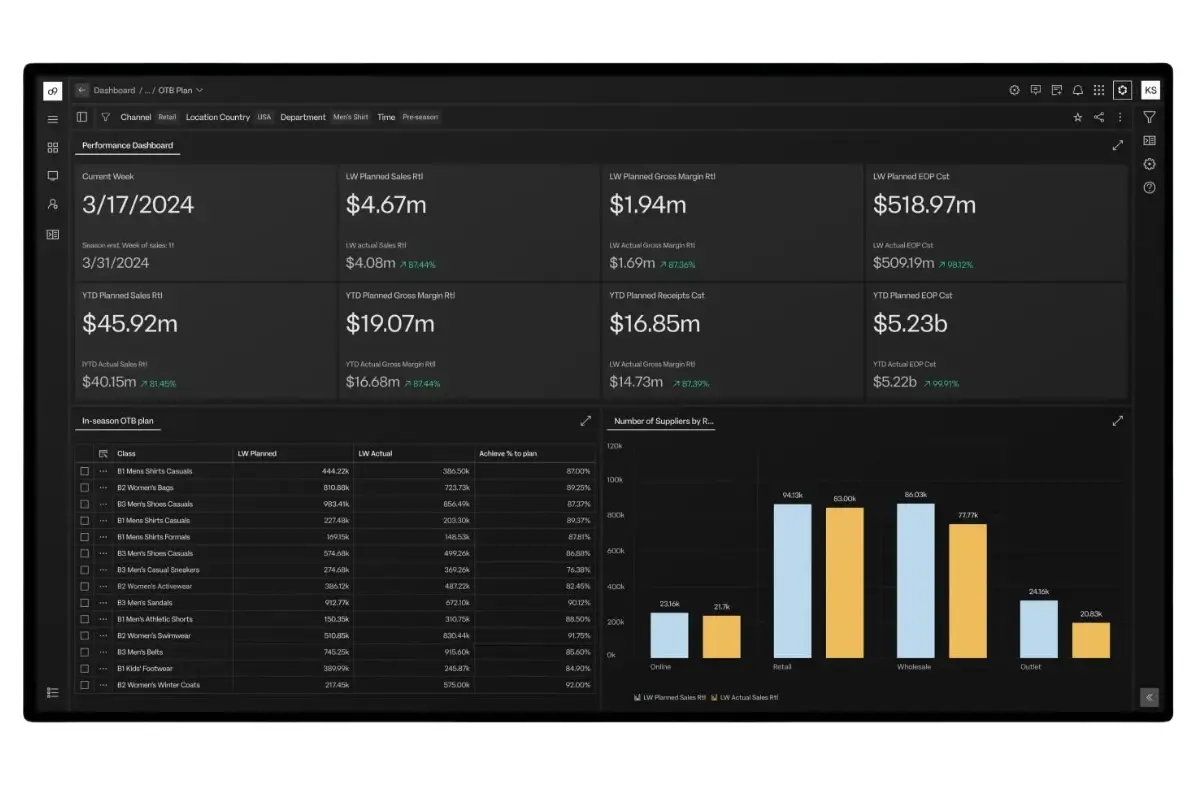
o9 Solutions is a global enterprise AI platform that treats size curve analysis as a core component. (Source: o9 Solutions)
Nextail
Nextail is a cloud-based AI platform specifically engineered for fashion and cosmetics retailers. Unlike general retail tools, it focuses on the agile retail model, automating buying, first-allocation, and replenishment to match the rapid pace of fashion cycles.
Core features:
Dynamic Demand Forecasting: Use AI to detect demand patterns and improve allocation for new and existing styles. It can also use visual product similarity to support initial allocation when direct sales history is limited.
Store-SKU-size Level Analysis: Calculate demand at a very detailed level by store, SKU, and size to make more accurate allocation decisions based on local selling patterns.
Intelligent Store Transfers: Predict where specific sizes are likely to sell out and supports stock rebalancing between nearby stores before deeper markdowns are needed.
Scarcity-based allocation: When warehouse stock is limited, the system prioritizes sending the most valuable sizes to the stores with the highest chance of selling them at full price.
Limitation:
Tiered Feature Access: Some operational features are only available in higher plans, which may reduce value for smaller brands with complex needs.
High Upfront Cost: Nextail is an enterprise-level investment, so the upfront cost and data preparation effort may be too heavy for smaller teams.
Price: Custom Quote (many plans)
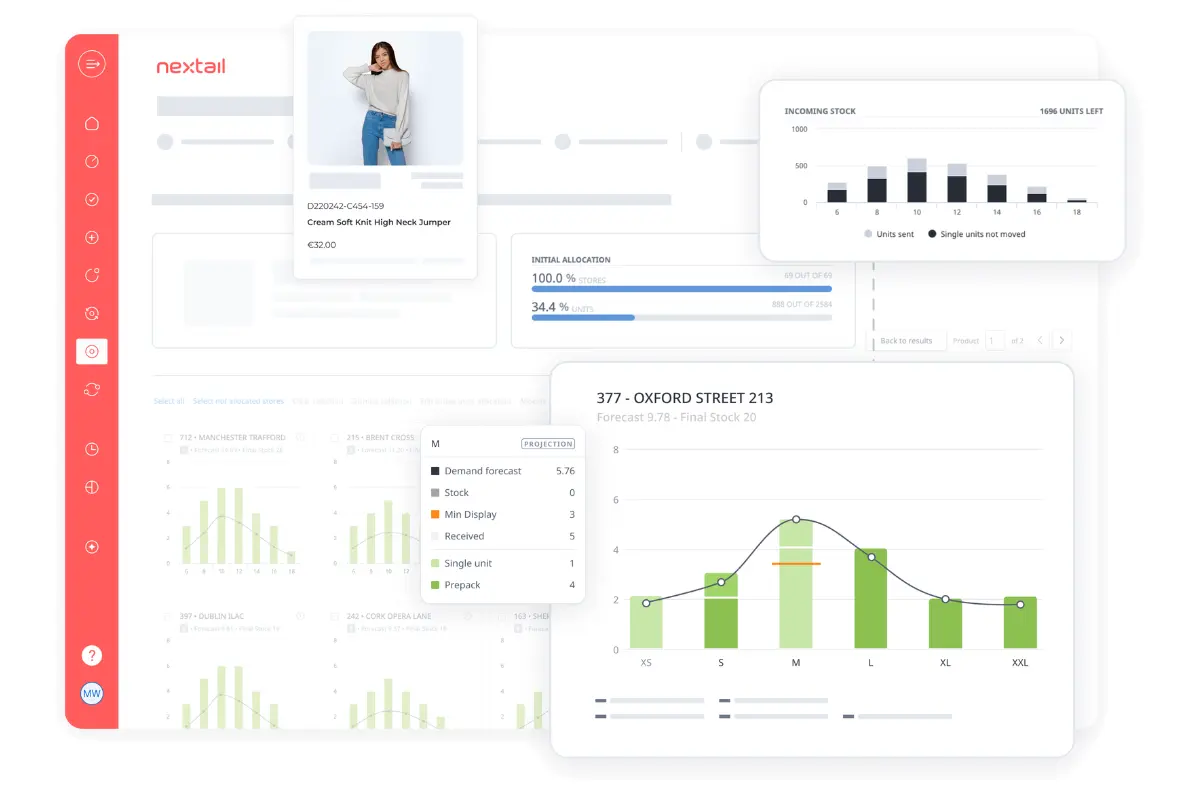
Nextail is a cloud-based AI platform specifically engineered for fashion and cosmetics retailers. (Source: Nextail)
How to Choose the Best AI-Driven Size Curve Allocation Platform?
To choose the right platform, evaluate these 3 factors:
Planning-only orexecution-linked
The problem: Many tools generate a perfect curve but leave the planner to manually enter those numbers into a Purchase Order or ERP.
What to look for: Look for Operational Integration platforms that automatically push sized batches directly to factories or warehouses to trigger production and shipping.
The “cold start” problem
The problem: New products have no sales history, so size curves are often based on guesswork.
What to look for: Look for attribute-based modeling. The platform should analyze product details like fit, fabric, and price, then match them with similar past items to predict size demand from day one.
Allocation granularity
The problem: Many systems still group stores into simple A/B/C clusters, which leads to inaccurate size distribution.
What to look for: Choose tools that support store-level size curves. The best platforms generate a unique size mix for each location based on local demand and sales patterns.
Conclusion
AI-driven size curve allocation directly affects how fashion brands buy, allocate, and sell inventory. The biggest shift is moving from static size ratios based on past sales to dynamic size curves based on real demand.
Not all tools solve the problem in the same way. Some focus on simple adjustments, while others use AI to detect demand patterns, handle new products, and support store-level decisions. The right choice depends on how advanced your data, workflow, and team are.
In practice, the best platform is the one that:
reflects true demand, not just sales
works for new products without history
supports store-level allocation
connects directly to buying, replenishment, and execution
If a tool cannot support these, it will not improve size curves in a meaningful way.
Start with your main use case, choose the level of AI that fits your business, and focus on tools that can turn insights into action. That is what leads to better sell-through, fewer stockouts, and less excess inventory.
Looking for more? Dive into our other articles, updates, and strategies




Let's show you how